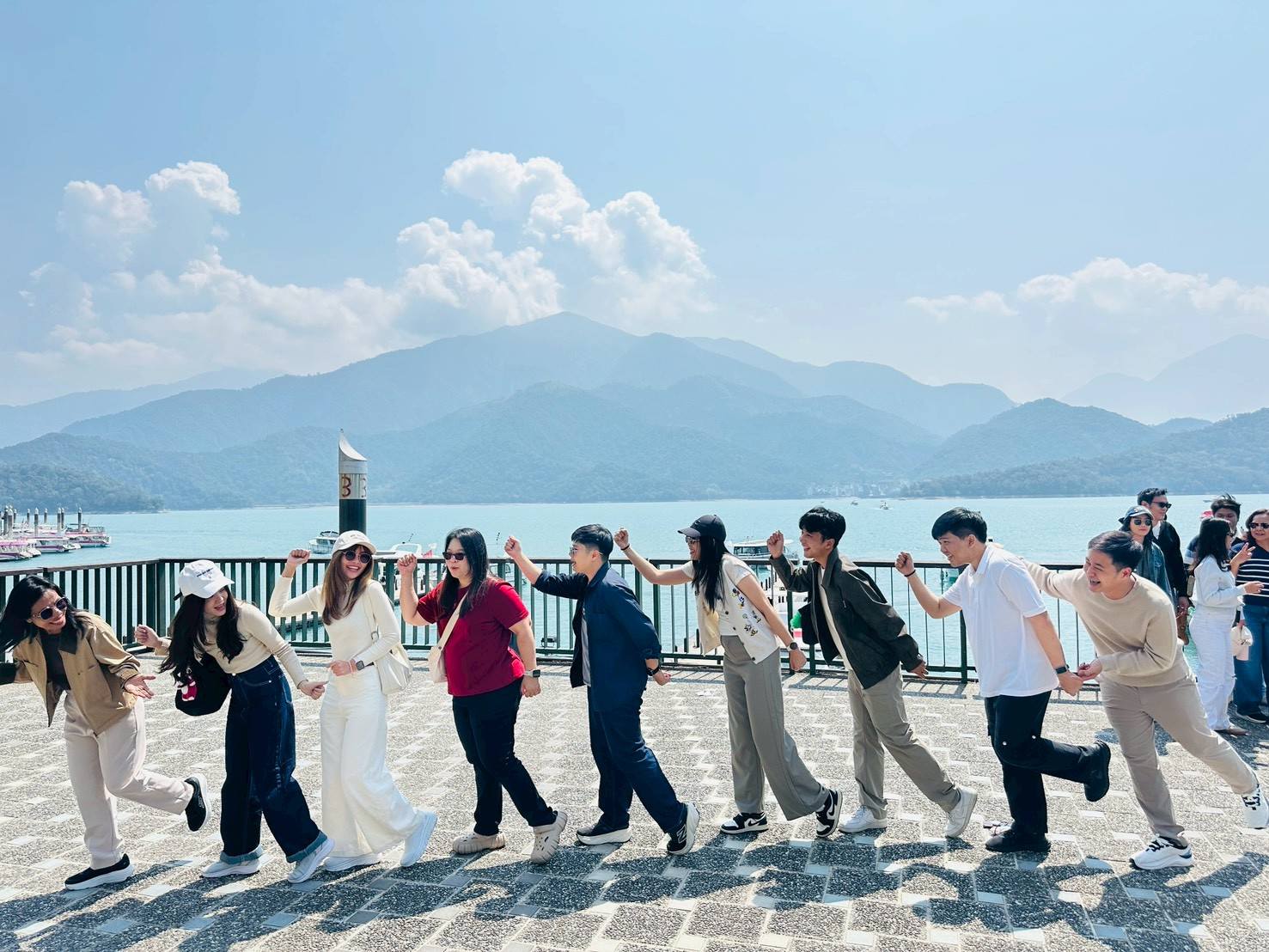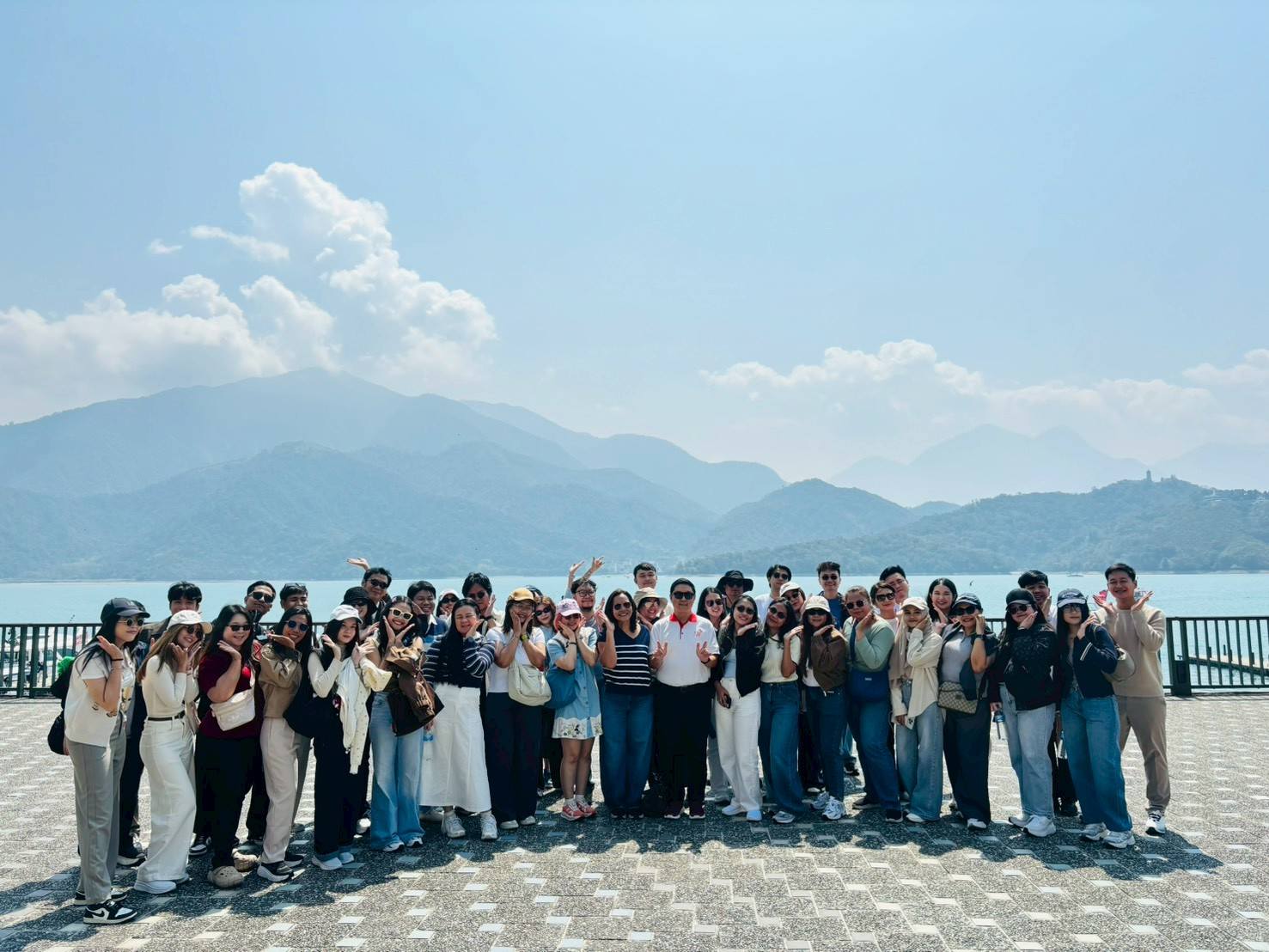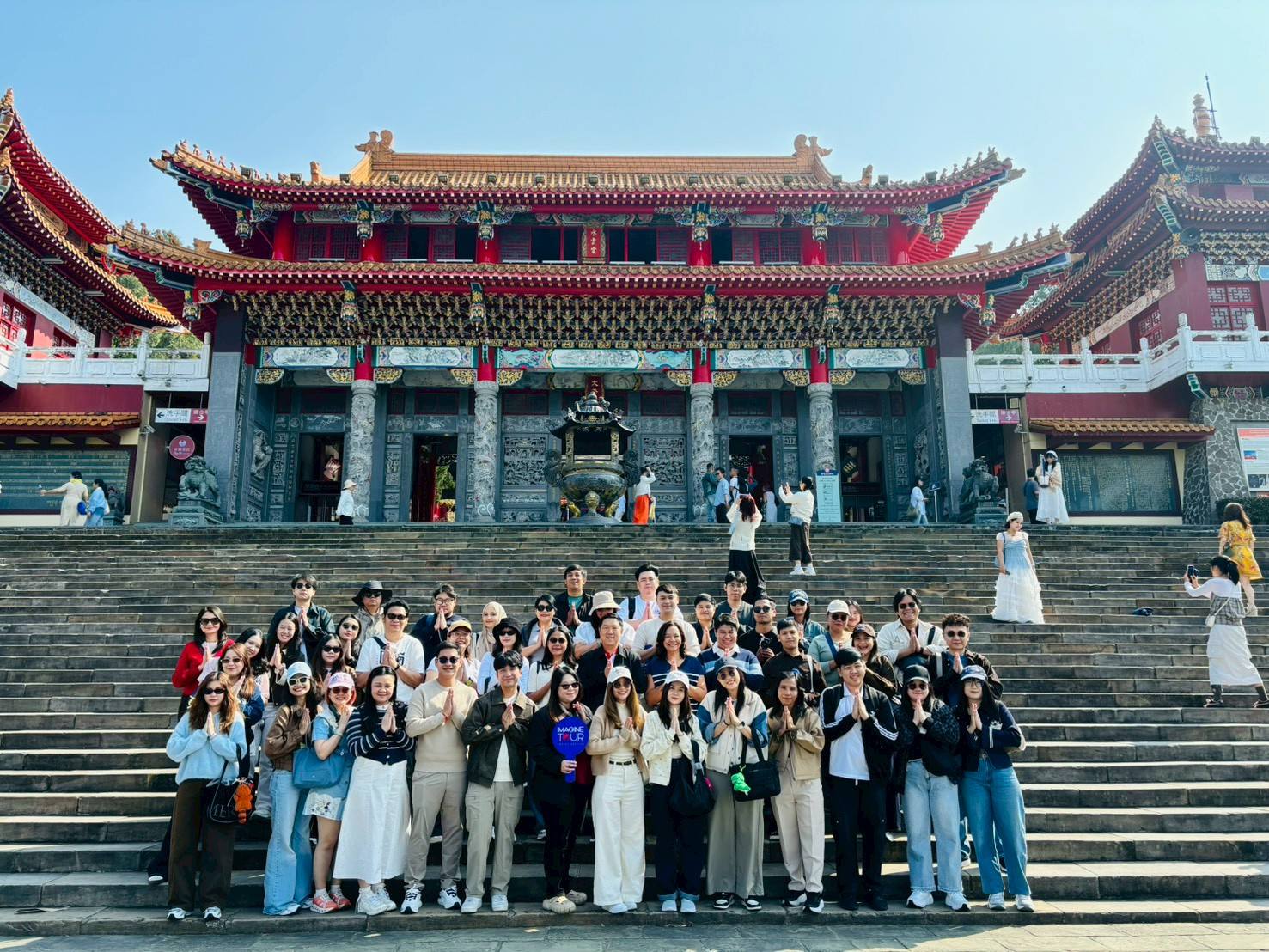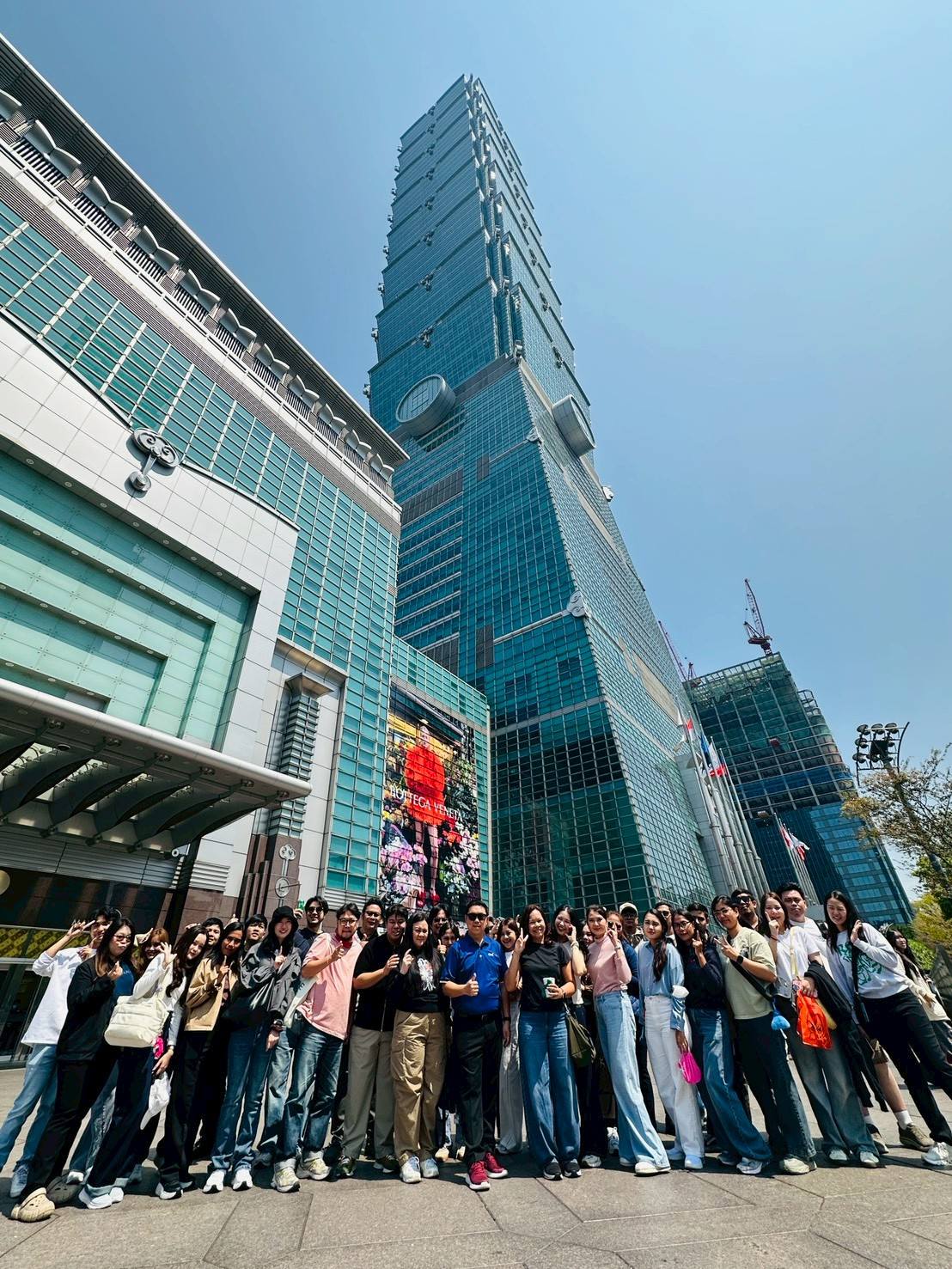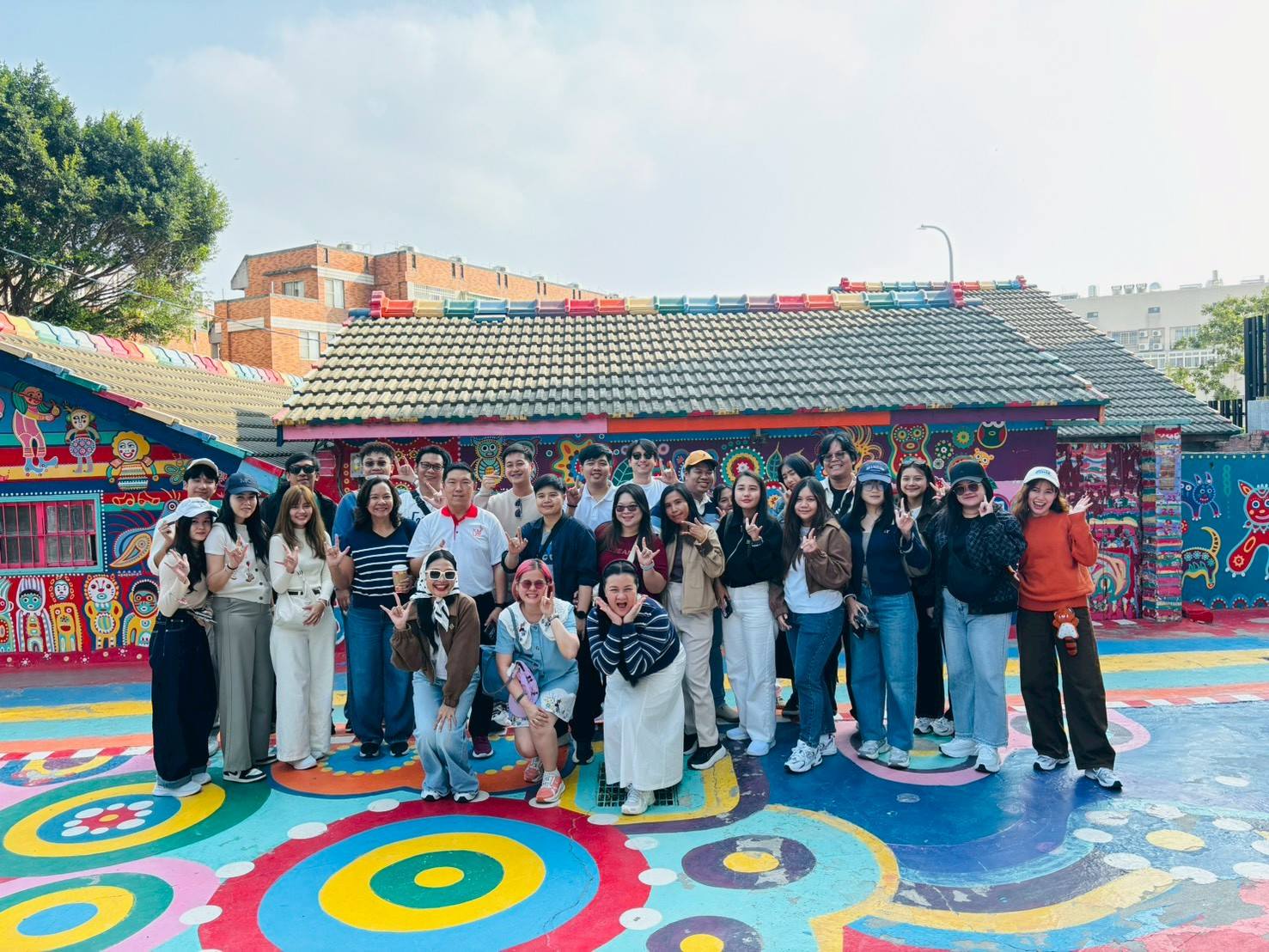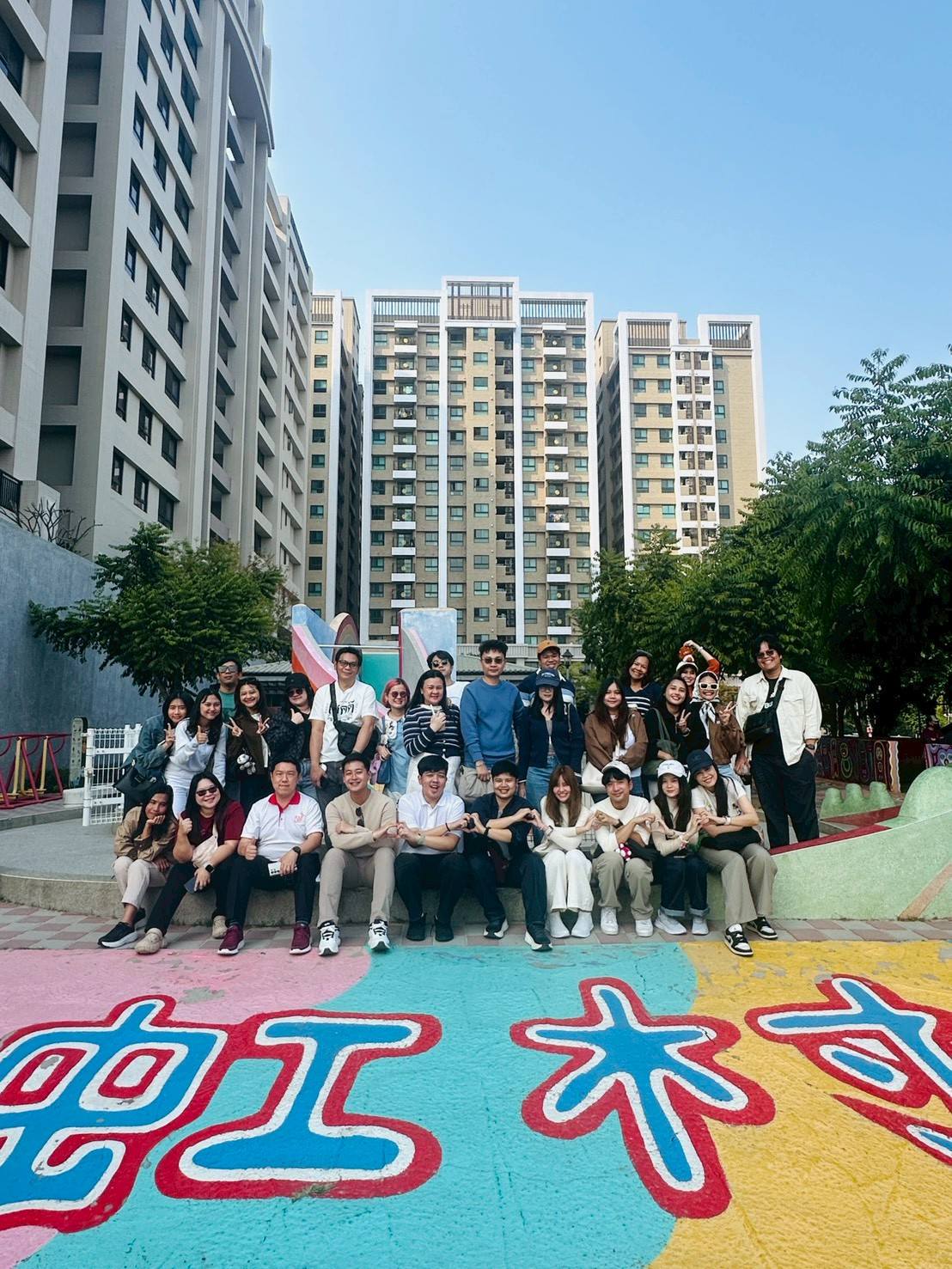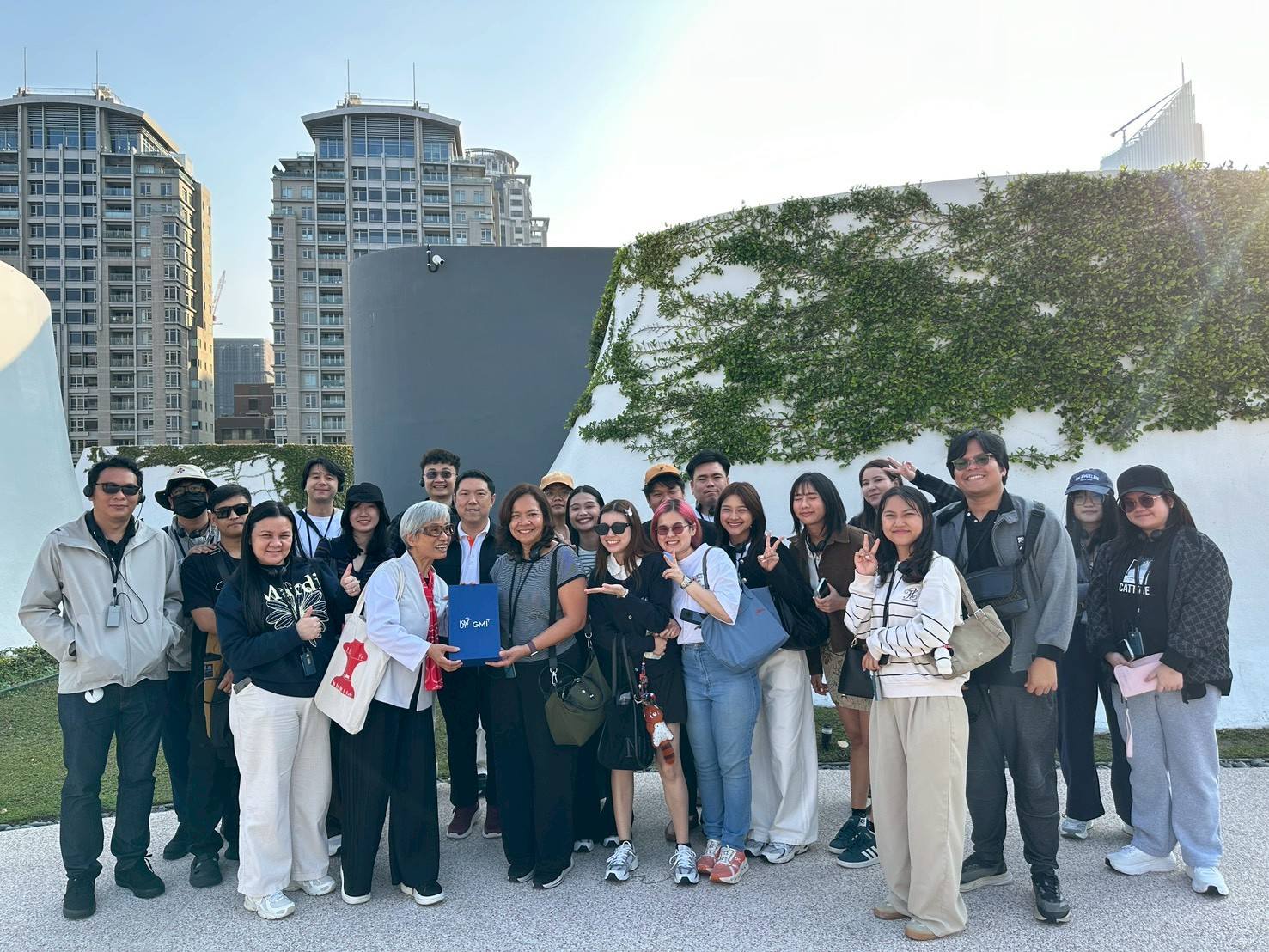



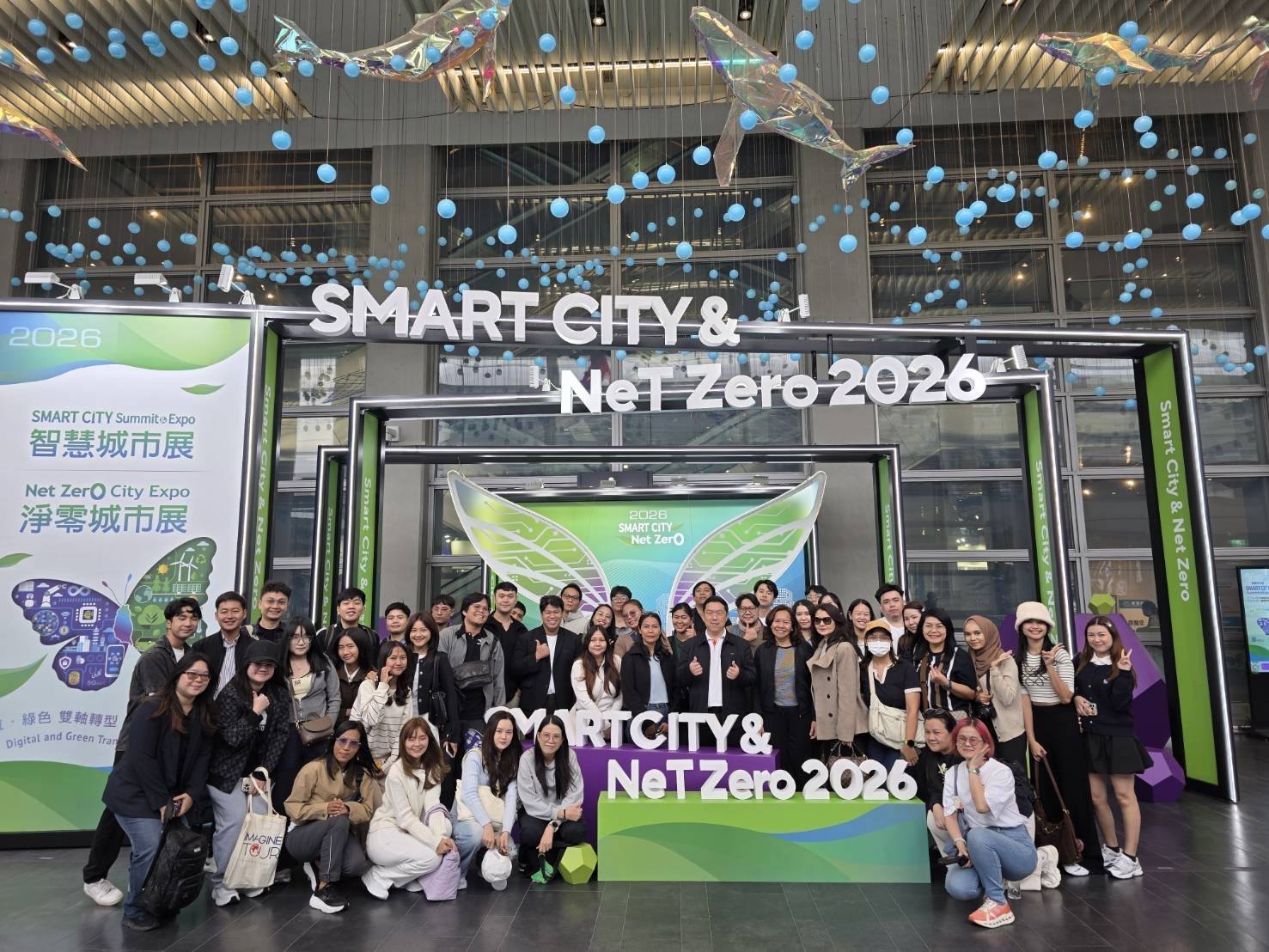
The Graduate School of Management and Innovation (GMI), King Mongkut’s University of Technology Thonburi (KMUTT), led by Dr. Alisa Kongton and Associate Professor Dr. Mongkol Asawadilokrit, organized an international study visit to the Republic of China (Taiwan) for 46 second-year graduate students during 19–22 March 2026.
The study visit aimed to provide students with opportunities to explore global perspectives on innovation, management technology, and sustainable development, while also gaining insights into art, culture, and creative tourism through real-world learning experiences from internationally recognized destinations. The program was designed to strengthen students’ integrated understanding of business, technology, and socio-cultural contexts in the digital era.
The study visit consisted of three major highlights:
- Participation in an International Smart City Event
The delegation attended the Smart City Summit & Expo 2026 under the theme “Digital and Green Transformation.” During the event, students explored cutting-edge technologies and innovative concepts, including:
• Smart City 4.0 – an advanced approach to smart city development that places Artificial Intelligence (AI) at the core of integrated urban management, including governance, infrastructure, and real-world applications. Examples include real-time traffic management, smart energy systems, urban data analytics for policy decision-making, and initiatives aimed at improving citizens’ quality of life.
• Virtual Power Plants (VPPs) – an innovative energy management concept designed to support smart cities and sustainable development by digitally integrating distributed renewable energy sources, energy storage systems, and demand response mechanisms. This approach enhances the efficiency, reliability, and stability of power systems.
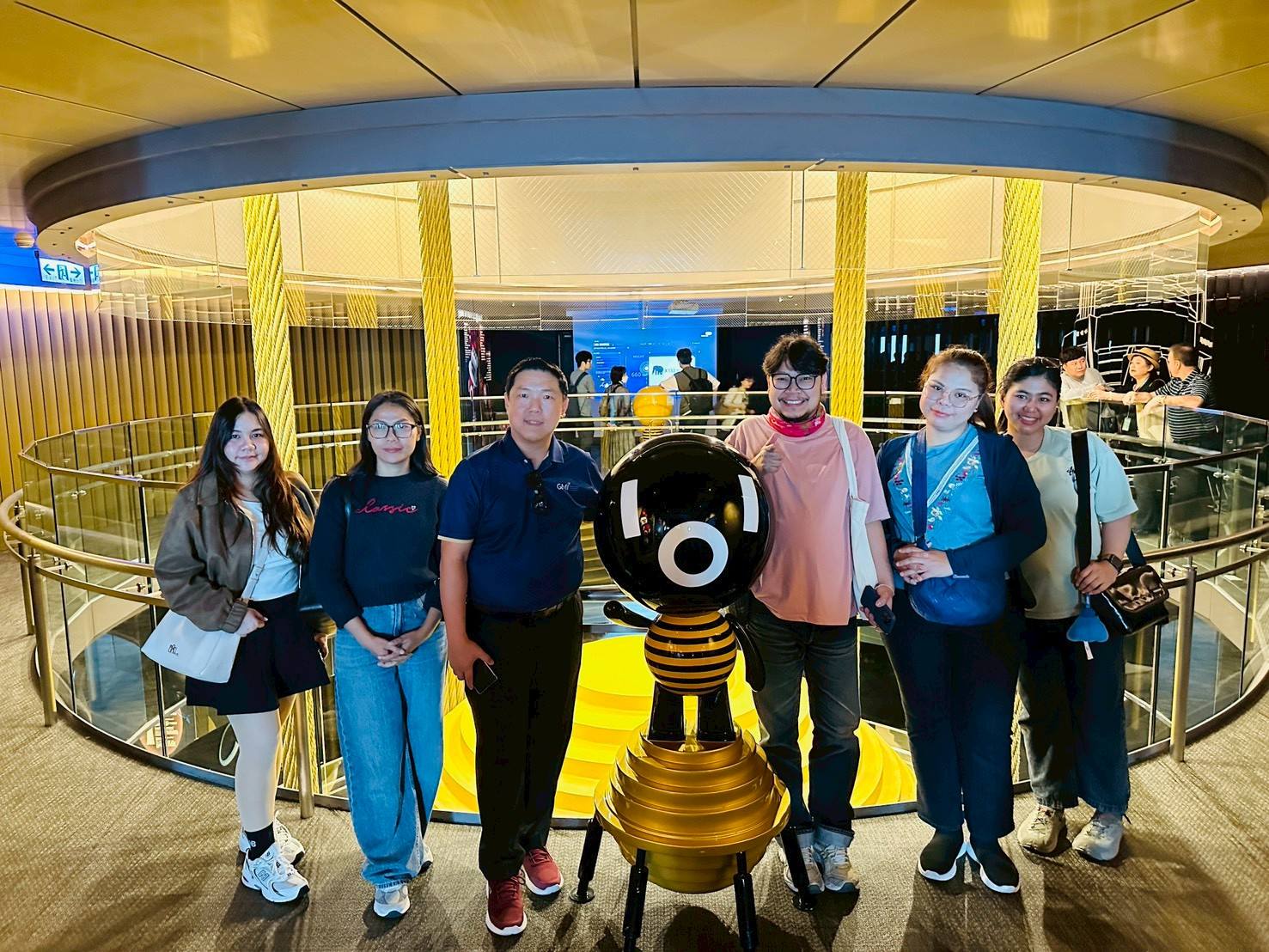
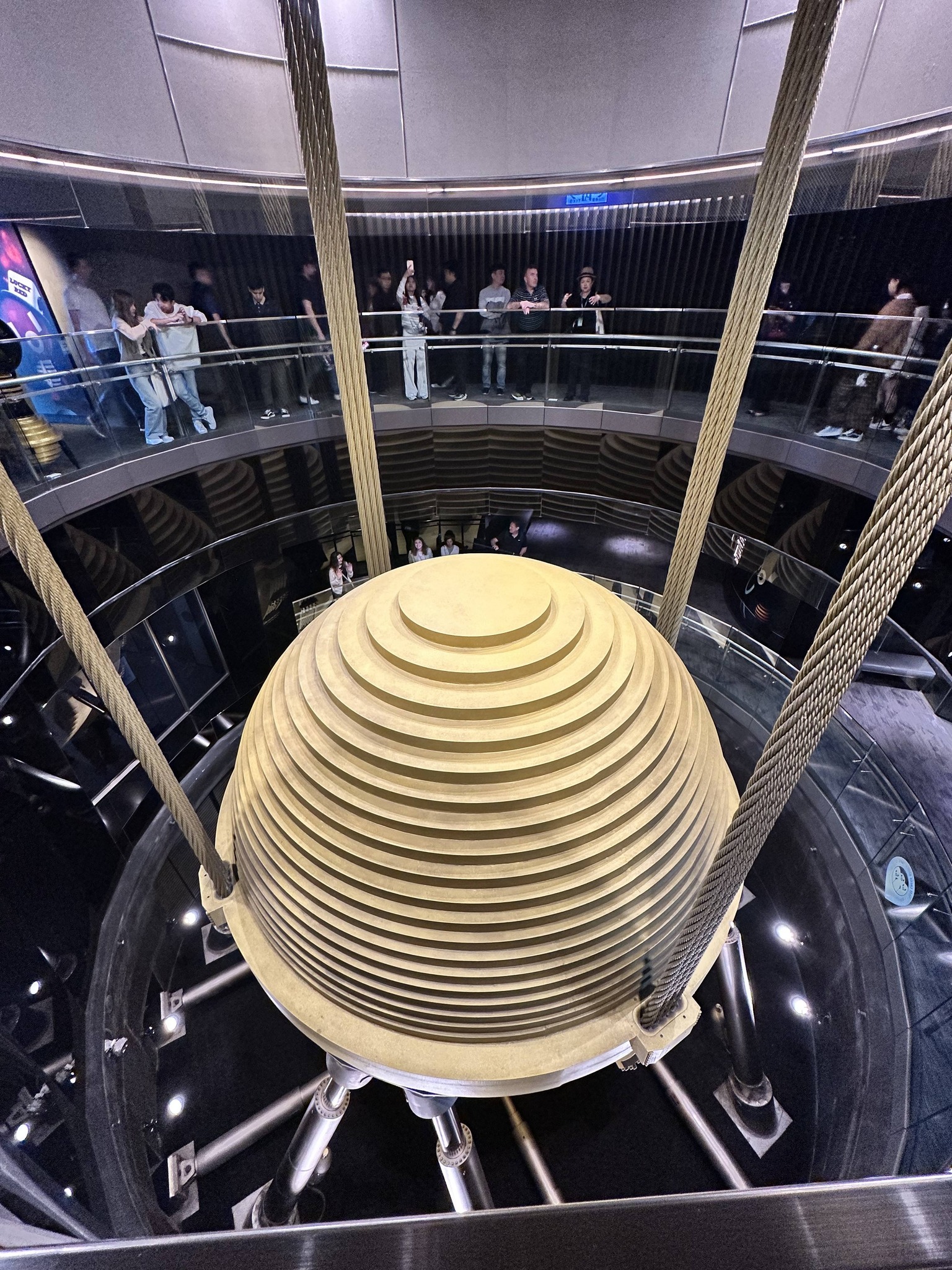
- Learning World-Class Engineering at Taipei 101
The delegation visited the Tuned Mass Damper (TMD), a giant 660-ton steel pendulum installed between the 88th and 92nd floors of Taipei 101. This engineering system is designed to reduce building vibrations caused by typhoons and earthquakes. The pendulum moves in the opposite direction of the building’s sway, minimizing vibrations and improving structural stability. The system can reduce building movement by approximately 40%, making Taipei 101 one of the world’s most remarkable examples of structural engineering innovation. - Exploring Art, Culture, and Creative Tourism
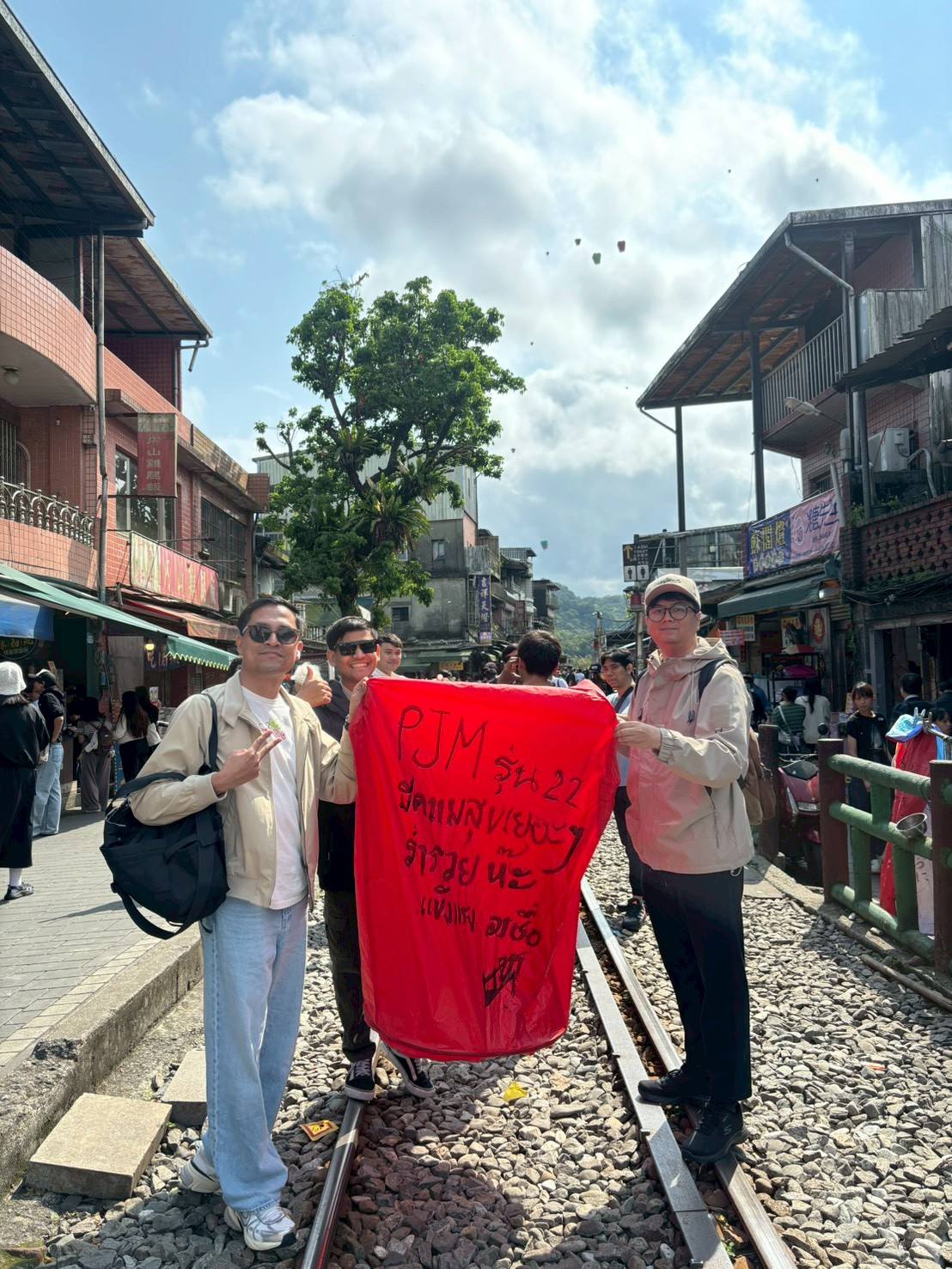
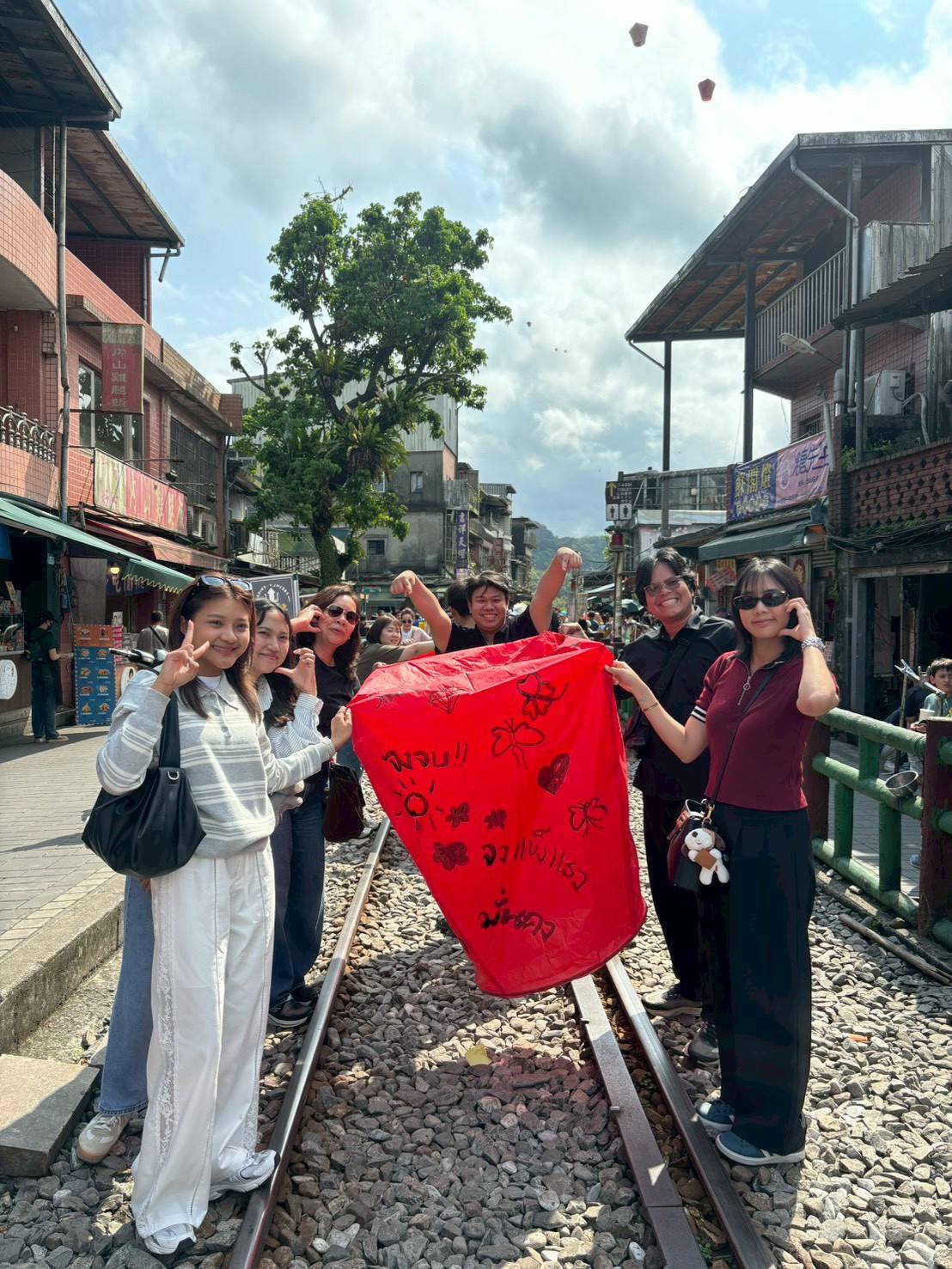
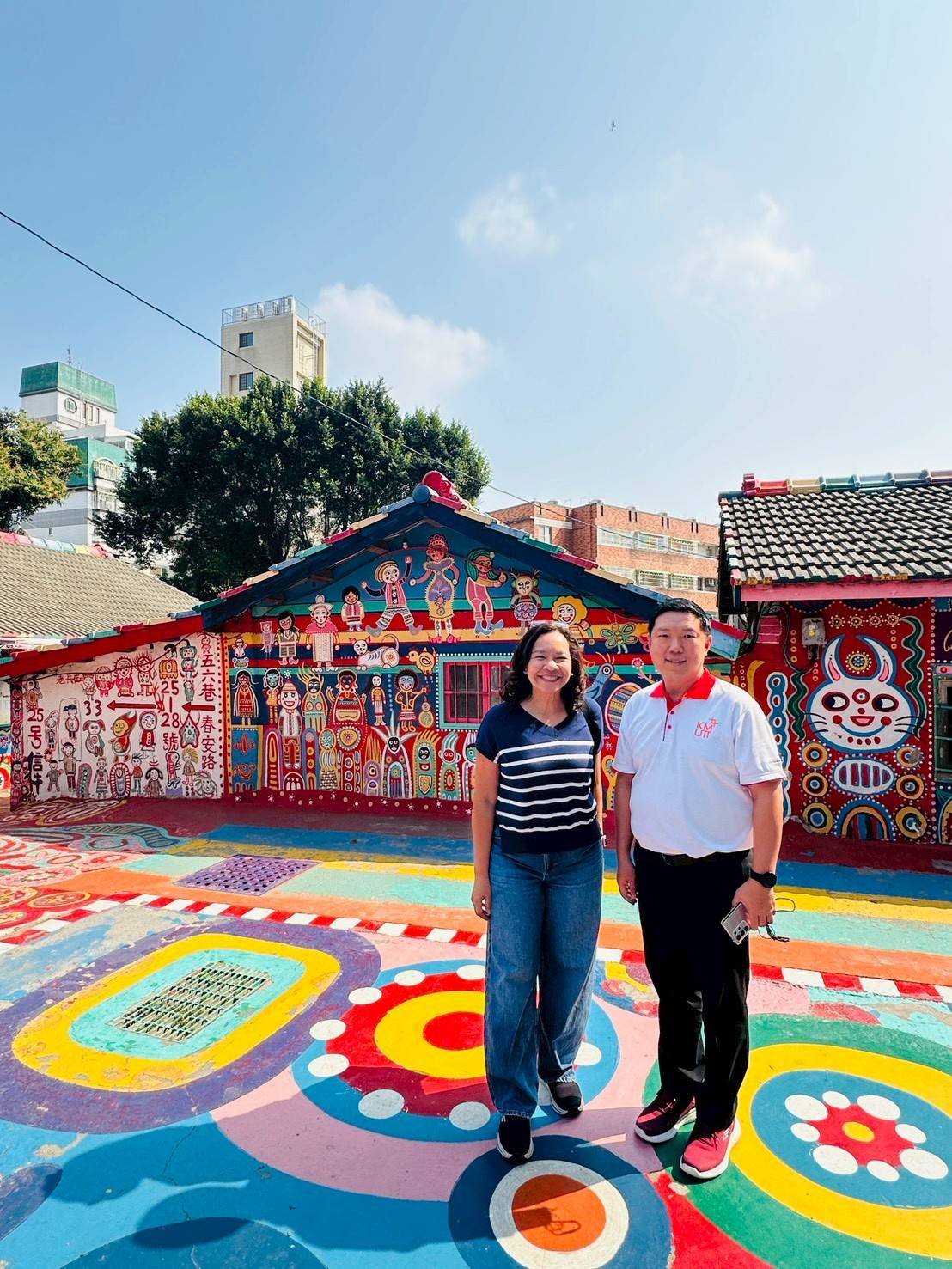
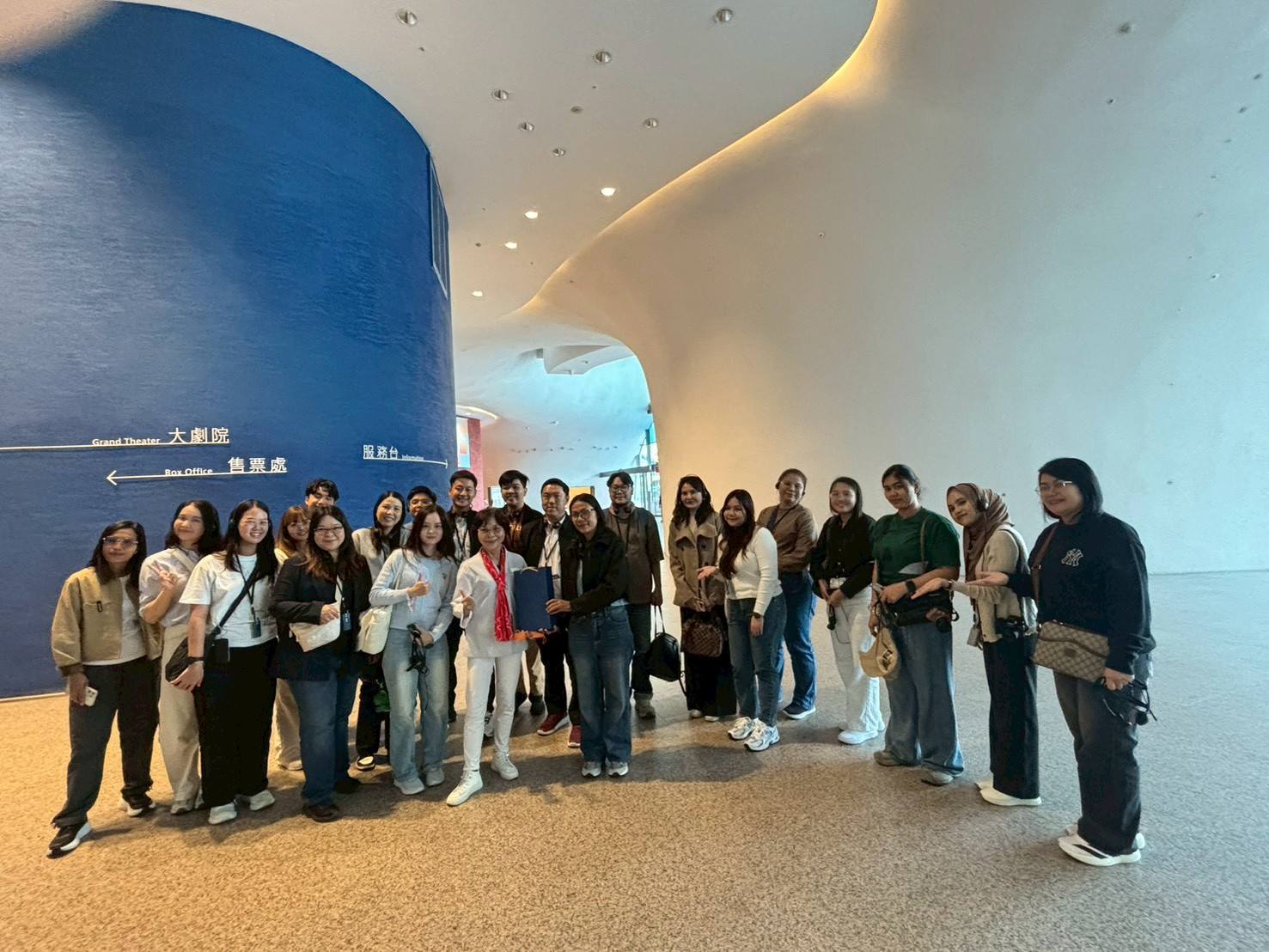
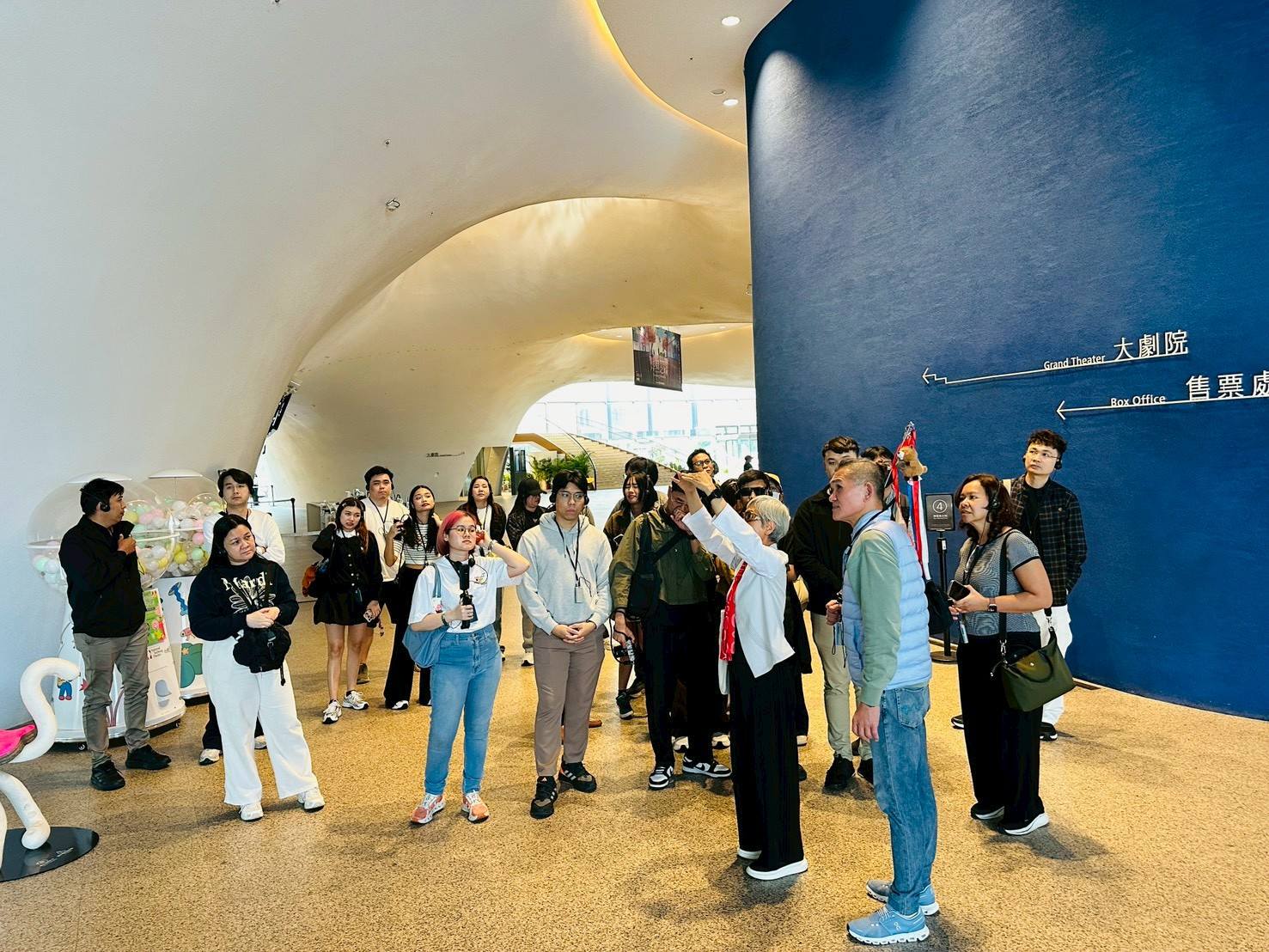
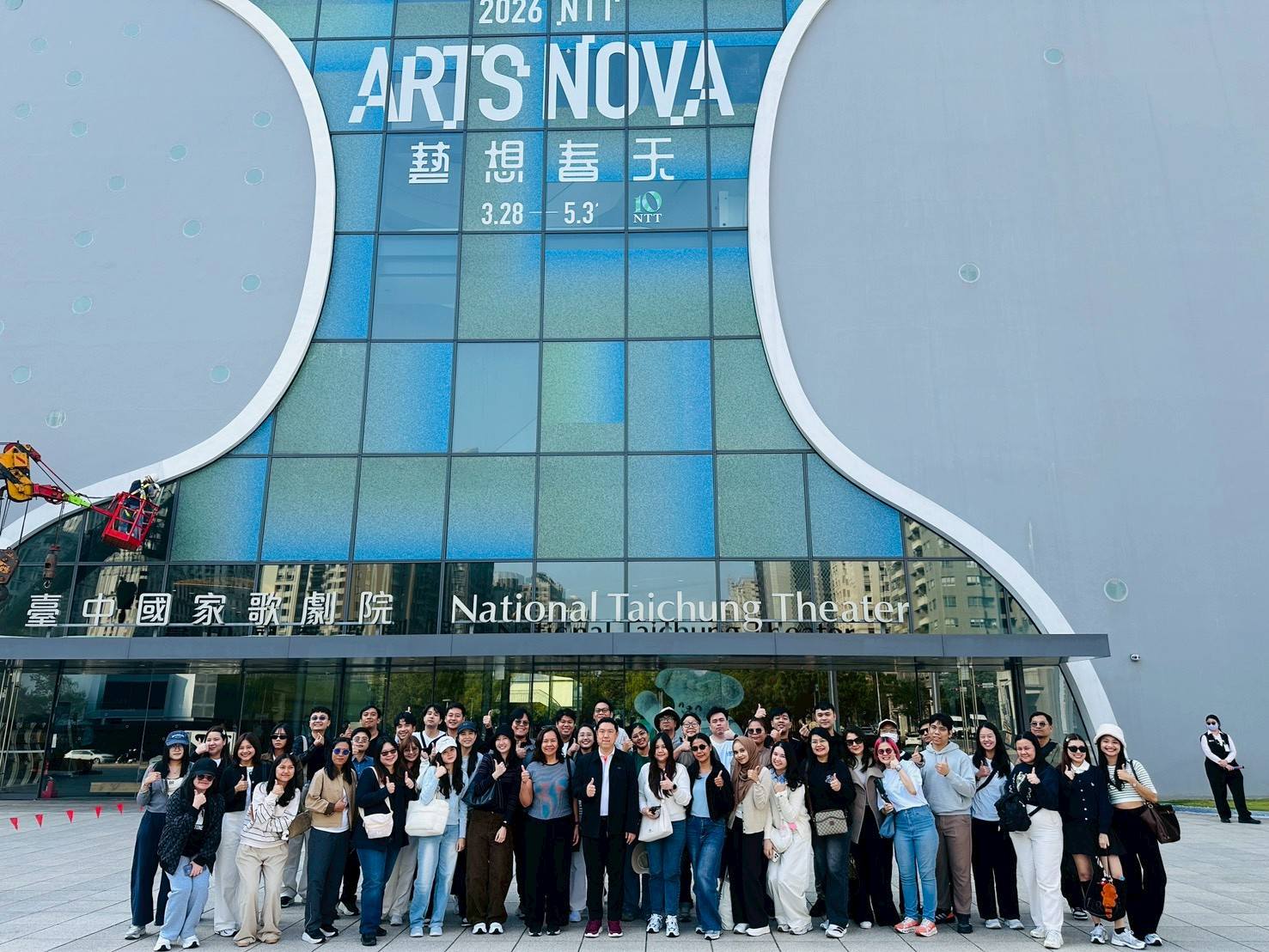
Students experienced the concept of Creative Tourism through visits to important destinations in Taipei and Taichung. These locations demonstrated the integration of traditional culture, creativity, and innovation in driving the creative economy, while preserving local identity and promoting long-term community sustainability.